Printable Homework Routine Toolkit for Independent Study
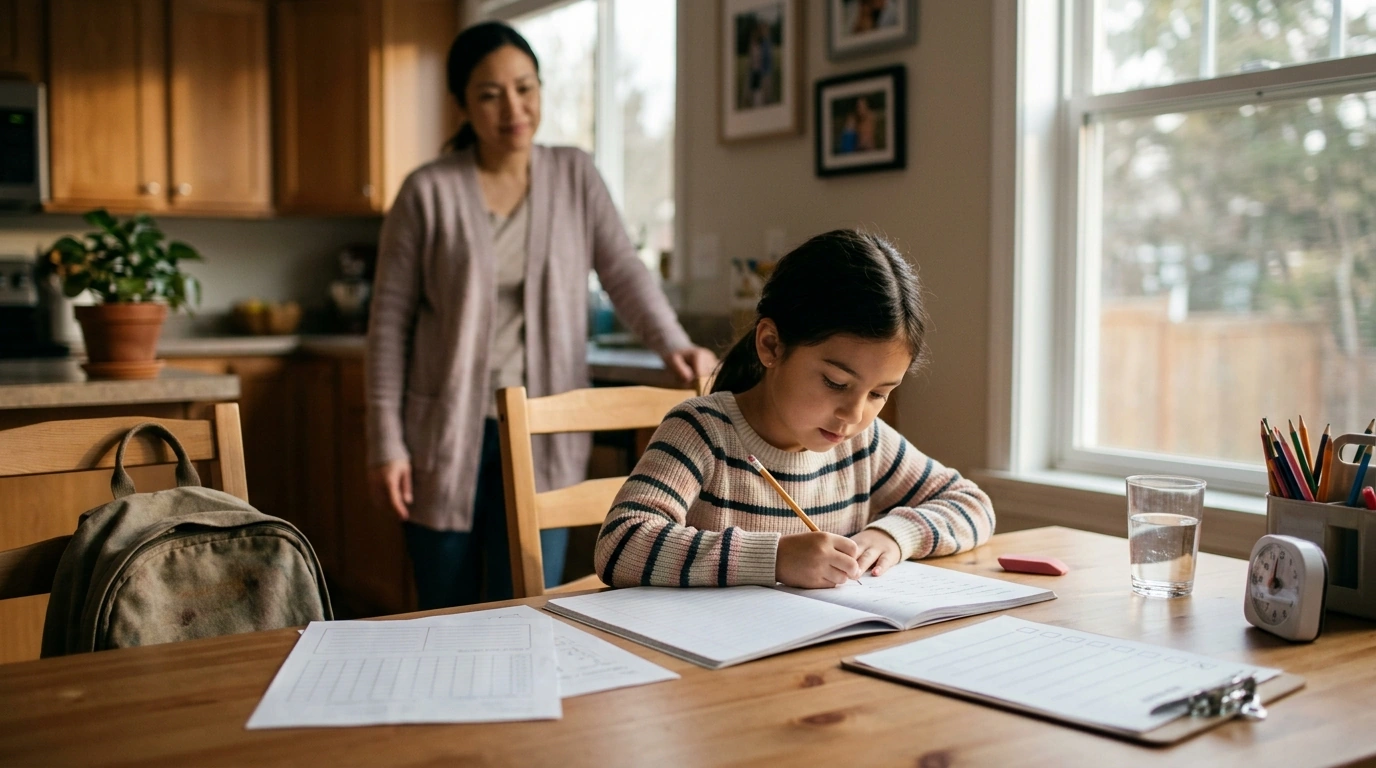
Homework Help Made Easy: A Printable Toolkit for Strong Study Habits and Independent Learning
Homework can feel like a nightly tug-of-war—especially when kids are tired and parents are juggling everything else. A simple, consistent system often works better than more reminders. The goal isn’t perfection; it’s a repeatable routine with clear steps that helps kids feel capable, calm, and more in control of their work over time.
Why homework becomes hard (and what actually helps)
Most homework struggles aren’t about laziness. They’re usually caused by predictable friction points: unclear directions, weak routines, overwhelm, distractions, and low confidence. When those pile up, kids may stall, argue, or melt down—because they don’t know where to start or they’re afraid of getting it wrong.
A helpful shift is moving the goal from “finish faster” to “finish with less stress and more ownership.” Consistent cues do the heavy lifting: the same place, the same start time, and the same first step. These cues reduce decision fatigue and help homework become “just what happens next.”
It also helps to separate skill gaps from motivation gaps. If a child can’t do it yet, they need instruction, examples, and a plan to ask for help. If they won’t do it yet, they may need boundaries, smaller steps, and confidence-building routines.
Set up a homework routine that runs itself
The best homework routines are boring—in the best way. Choose a predictable time window tied to an existing habit, such as snack time, an after-school reset, or right after dinner. Then create a short start ritual that always happens in the same order: water, supplies out, review the planner, pick the first task.
To prevent burnout, use work blocks with short breaks. Many kids focus better in 15–25 minute bursts than in one long session. Finally, define what “done” means so kids aren’t technically finished but still missing steps. “Done” should include: completed, checked, packed, and ready to turn in.
Simple homework routine template
| Step | What the child does | What the parent does | Time |
|---|---|---|---|
| Reset | Snack, quick movement, bathroom | Keeps the transition calm, no homework talk yet | 10 min |
| Plan | Checks assignments and deadlines | Asks one question: “What’s first?” | 3–5 min |
| Work Block 1 | Works on first task with focus | Stays nearby but doesn’t lead | 15–25 min |
| Break | Moves, drinks water, short brain break | Keeps break short and predictable | 3–5 min |
| Work Block 2 | Finishes tasks, checks work | Reviews only if asked or if agreed ahead of time | 15–25 min |
| Closeout | Packs backpack, sets out items for tomorrow | Gives quick praise for effort and follow-through | 3–5 min |
Create a study space that reduces distractions
A study space doesn’t have to be fancy—it has to be consistent. Pick one main spot that signals “learning mode,” such as the kitchen table, a desk, or a quiet corner. Keeping the location steady reduces negotiation and helps your child drop into work mode faster.
Make supplies “grab-and-go” in one container: pencils, eraser, highlighter, scratch paper, charger, and a simple timer. If a device is needed for assignments, keep it in the study spot only; otherwise, park it in another room to limit digital distractions. A visible checklist (on paper or posted nearby) can replace repeated reminders, so your child learns to follow the steps independently.
Homework strategies that build independence
Independence grows when kids practice solving small problems without immediate rescue. One simple rule that works well is “Try 3 before me”:
Support without hovering: a parent role that works
If your child is consistently stuck, track patterns for a week: which subject, which directions, what time of day, and how long it takes. Sharing that with the teacher often leads to clearer expectations or targeted support. Evidence-based guidance also emphasizes organizing study time and using effective routines rather than last-minute cramming (see the Institute of Education Sciences practice guide: Organizing Instruction and Study to Improve Student Learning).
Printable tools that make the routine easier to follow
For additional parent-friendly tips on supporting homework routines, these resources are helpful: KidsHealth: Homework—How to Help Your Child Succeed and Reading Rockets: Helping Your Child With Homework.
Homework Help Made Easy Toolkit for Parents (printable guide)
If you want a ready-to-use system you can start this week, the Homework Help Made Easy Toolkit for Parents (printable guide) is designed for families who want simple structure for study habits, homework routines, and independent learning. It works especially well when you want consistent expectations without turning homework into a nightly battle.
For families also working on big feelings, confidence, and resilience (which often show up during homework time), pair your routine with the Confident Kids Bundle: Nurturing Emotional Strength to support the emotional side of persistence.
Quick snapshot
| Detail | Info |
|---|---|
| Product | Homework Help Made Easy Toolkit for Parents – Printable Guide for Creating Study Habits, Homework Strategies & Independent Learning |
| Format | Printable guide |
| Price | $7.99 USD |
| Best for | Parents building consistent routines and independence |
A 7-day reset plan to get homework back on track
FAQ
How can a parent help with homework without doing it for the child?
Use routines and prompts instead of answers: model one example, ask guiding questions, and rely on checklists so your child stays responsible for choices and the final work.
What if homework takes too long every night?
Try timed work blocks with short breaks, reduce distractions, and prioritize the most important tasks first. Track which assignments cause the biggest slowdowns so you can share specific patterns with the teacher if needed.
How do printable homework routines help kids become more independent?
Printables provide visual cues and consistent steps, which reduces verbal reminders and helps kids self-manage. Over time, start/finish checklists and closeout routines shift responsibility from parent to child.












Leave a comment