New Kitten Feeding Guide: Food, Portions & Schedules
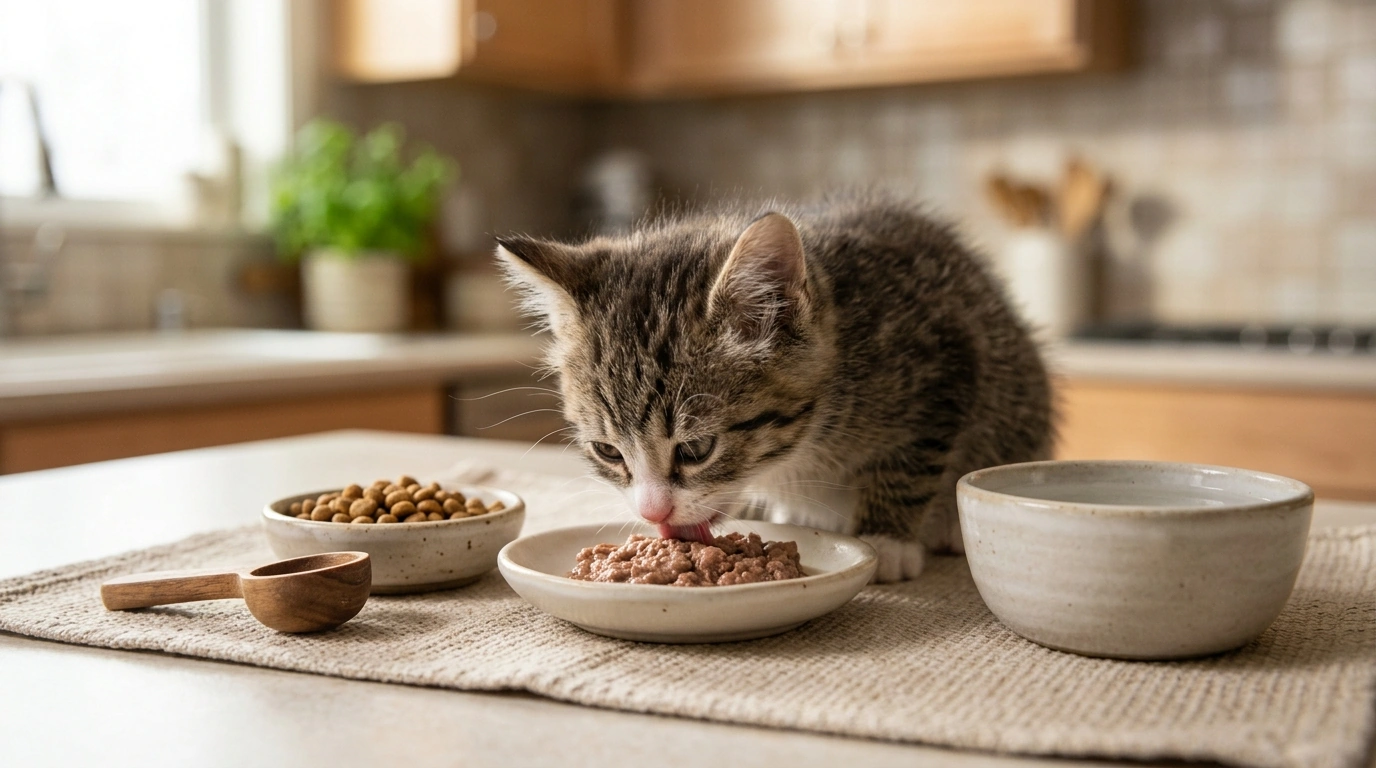
Feeding Your New Kitten Right: A Practical Guide to Healthy Growth and Happy Mealtimes
A kitten’s first months set the foundation for lifelong health. The right food, portion sizes, meal schedule, and safe transitions can support steady growth, strong bones, and good digestion—while reducing picky-eating and tummy troubles. A simple routine (plus a little patience) usually matters more than chasing the “perfect” flavor.
When choosing foods, prioritize labels that meet recognized nutritional standards and come from brands with strong quality control. The AAFCO adequacy statement and the WSAVA Global Nutrition Guidelines are helpful reference points.
What makes kitten nutrition different from adult cat nutrition
Kittens aren’t just small cats—their bodies are building bone, muscle, and organs at a rapid pace. That growth demands a different nutrient profile than most adult maintenance diets.
- More calories per pound: Kittens burn energy through growth and constant play, so they typically need more calories per pound than adult cats.
- Higher protein and balanced fat: Protein supports muscle development, while dietary fat helps supply energy and supports brain and eye development.
- Micronutrients matter more during growth: The calcium/phosphorus balance, vitamin D, and taurine (essential for cats) are especially important during this stage.
- Look for “complete and balanced”: Choose foods labeled “complete and balanced” for growth or “all life stages” from reputable manufacturers.
What food to start a new kitten on (and how to pick it)
Start with familiarity. If possible, begin with the same food your kitten was already eating, then transition gradually if you want to switch.
- Stay consistent at first: A new home comes with enough change—keeping the same diet initially can reduce digestive upset.
- Confirm it’s formulated for kittens: Look for a clear nutritional adequacy statement indicating it’s complete and balanced for growth (or all life stages).
- Wet, dry, or a combination: Wet food can support hydration and is often highly palatable; dry food is convenient and easy to portion. Many households use both.
- Be cautious with homemade or raw: Nutrient gaps and food-safety risks are common without guidance from a veterinary nutritionist.
- Treats are extras, not meals: Keep treats minimal so they don’t crowd out balanced nutrition.
If a step-by-step routine would make feeding feel simpler, the companion resource Feeding Your New Kitten Right (Essential Kitten Nutrition eBook) walks through food selection, transition timelines, and age-based routines in one place.
Meal schedule and portions by age
Young kittens do best with multiple small meals. As they mature, you can consolidate meals and settle into a steady routine. Start with the feeding guide on the label, then adjust based on body condition, growth rate, and stool quality.
- Use the label as a starting point: Packaging guides are averages; your kitten’s activity level and metabolism may shift needs up or down.
- Watch body condition: You should generally be able to feel ribs with light pressure, without a hard ridge. A persistently round belly or rapid weight gain can signal overfeeding (or, sometimes, parasites—ask your vet).
- Water always: Keep fresh water available at all times. If stools are hard or water intake seems low, adding more wet food can help.
Simple feeding rhythm for the first year
| Kitten age | Meals per day | Typical approach | Notes to watch |
|---|---|---|---|
| 8–12 weeks | 4 | Mostly wet or wet + small dry portions | Soft stools may signal too-fast changes; keep transitions gradual |
| 3–6 months | 3 | Increase portions as growth accelerates | Monitor weight weekly; adjust if ribs are hard to feel or belly looks overly round |
| 6–12 months | 2–3 | Move toward a stable routine and consistent brand/formula | Spaying/neutering can change appetite; reevaluate portions |
| 12+ months | 2 | Transition to adult food over 7–10 days (unless “all life stages” and guidance supports staying) | Watch for weight gain after the switch |
If you’d like a simple way to plan the ongoing costs of food, litter, and vet basics during the first year, Budgeting Like a Pro: Complete eBook can help map out recurring pet expenses so nutrition choices stay consistent month to month.
How to switch foods without stomach upset
Most kitten tummy trouble during food changes comes down to speed. A slow transition gives the digestive tract time to adapt.
Common feeding problems (and practical fixes)
Picky eating
Fast eating
Loose stools
Overeating
Supplements, milk, and foods to avoid
A guided plan for confident mealtimes
For food-selection checklists, transition ratios, and age-based routines you can follow day by day, see Feeding Your New Kitten Right (Essential Kitten Nutrition eBook).
For additional feeding guidance and overall cat nutrition context, Cornell’s feline resource is a useful overview: Cornell Feline Health Center: Feeding Your Cat.
FAQ
Should a new kitten eat wet food, dry food, or both?
Either can work as long as the diet is complete and balanced for growth. Wet food supports hydration and palatability, dry food is convenient, and many owners combine the two while monitoring stool quality and body condition.
How often should a kitten eat each day?
Most kittens do well with 4 meals a day at 8–12 weeks, 3 meals a day at 3–6 months, and 2–3 meals a day at 6–12 months. Individual needs vary, but fresh water should always be available.
How do you switch kitten food without causing diarrhea?
Transition over 7–10 days using gradual ratios (75/25, 50/50, 25/75, then 100% new). Pause or step back if vomiting, diarrhea, or appetite loss occurs, and contact a veterinarian if symptoms persist or your kitten becomes lethargic or won’t eat.











Leave a comment