Cat Body Language Cheat Sheet: Signals, Meows & Tails
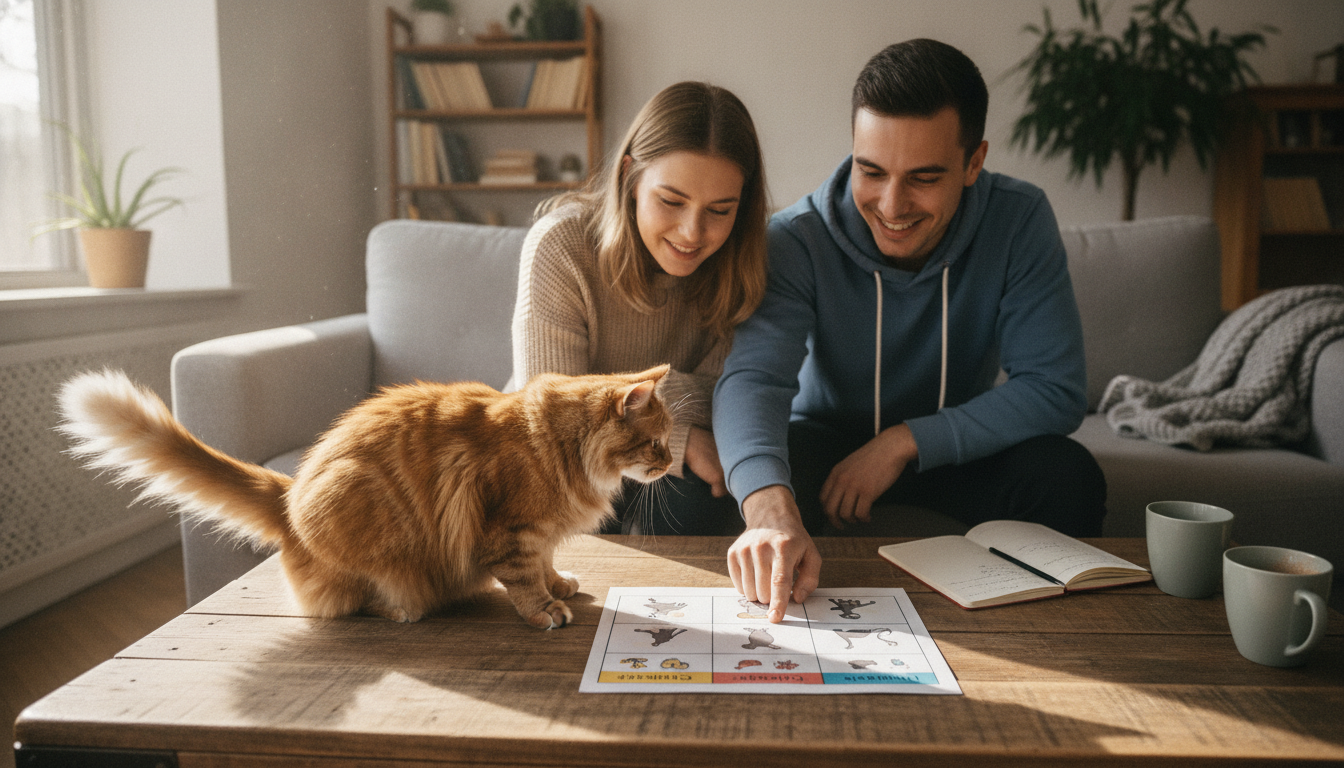
Cat Body Language & Behavior Cheat Sheet: A Printable Guide to Feline Signals, Postures, and Meows
Cats communicate constantly—through posture, tail position, ears, eyes, whiskers, and voice. Getting better at reading these signals can help prevent bites and scratches, reduce stress during handling, and build trust at home. Below is a practical “cheat sheet” approach: quick meanings, what to do next, and how to combine cues so you’re reading the whole cat (not just one feature).
How cats communicate: the big picture
Feline communication is mostly nonverbal. A meow can be helpful, but body language usually carries more information—especially when a cat is unsure, overstimulated, or defensive. Instead of focusing on one clue (like tail height), look for a cluster: ears + eyes + whiskers + overall posture + tail speed.
Context matters, too. The same sound or stance can mean different things depending on where the cat is (near the carrier vs. near the food bowl), what just happened (guests arrived, a dog barked, a vacuum turned on), and what your cat’s “normal baseline” is. A subtle change from your cat’s usual behavior—more hiding, less social time, sudden sensitivity to petting—can be more important than any “textbook” sign.
Quick read: tail, ears, eyes, posture, and whiskers
Tail: Height, curve, speed, and fluffing often reflect confidence, friendliness, alertness, or fear. A still tail can be calm; a rapidly lashing tail often means “too much.”
Ears: Forward typically shows interest. Sideways “airplane ears” can signal uncertainty. Pinned-back ears often show fear or agitation.
Eyes: Soft eyes and slow blinks usually indicate comfort. Wide eyes and dilated pupils can signal excitement, fear, or overstimulation—so confirm with posture and tail movement.
Posture: A loose, curved body usually means relaxed. A stiff, low crouch can indicate fear. A tall, forward-leaning stance may signal confidence or a challenge.
Whiskers: Forward whiskers can mean curiosity or arousal (play/hunt mode). Whiskers pulled back can suggest stress or a defensive mood.
Fast cheat sheet: common signals and what to do next
| Signal | What it can mean | Best response |
|---|---|---|
| Tail straight up with a relaxed tip | Friendly greeting; comfortable | Offer a gentle hello; let the cat approach first |
| Tail puffed up | Fear or high arousal | Increase distance; reduce noise and movement; provide a safe retreat |
| Ears forward | Interested; engaged | Use calm voice; offer play or enrichment if appropriate |
| Ears pinned back | Threatened; may swat or bite | Pause interaction; avoid reaching over the head; give space |
| Slow blink | Relaxed; affiliative | Slow blink back; keep movements soft and predictable |
| Stiff body + frozen posture | Uncertain; assessing danger | Stop advancing; allow an exit route; avoid sudden touch |
| Crouched low with tail tucked | Fear; insecurity | Reduce handling; provide hiding spots; use treats to build confidence |
| Arched back with sideways stance | Defensive display; “stay away” | Do not corner; allow escape; avoid eye contact |
| Whiskers forward + focused stare | Hunting/play arousal or intense interest | Redirect to a toy; avoid using hands as play targets |
Friendly and relaxed signals (and how to respond)
Approach and greeting: An upright tail, soft eyes, and a relaxed gait often mean your cat is comfortable. Let them close the distance, sniff your hand, and choose contact. If they lean in, try gentle cheek or shoulder rubs (many cats prefer these over full-body petting).
Affection cues: Head bunting, cheek rubbing, and side leaning are common bonding behaviors. They’re also scent-marking—your cat is essentially saying “you’re part of my safe zone.”
Belly exposure: A cat showing their belly can signal trust and relaxation, but it’s not always an invitation to pet. If you want to “ask,” start with a brief head/cheek stroke, then pause and watch for consent cues (staying loose, leaning in) versus tension cues (tail flicks, stiffening).
Kneading and purring: Kneading is often comfort. Purring commonly means contentment, but some cats purr when stressed or in pain—so consider the rest of the body language and the situation.
Stress, fear, and defensive signals to take seriously
Early warnings: Sideways ears, a twitching tail tip, skin ripples, sudden grooming, lip licking, and moving away are “please stop” signals that often show up before hissing or swatting. Respecting these early cues helps prevent escalation.
Common household stressors: Unfamiliar guests, new pets, litter box problems, loud sounds, blocked pathways, and unpredictable handling can all raise baseline stress. Helpful references include resources from the American Association of Feline Practitioners (AAFP) and International Cat Care.
Play, hunting, and overstimulation: telling them apart
Meows and other vocalizations: what they often mean
Putting it together: reading the full “sentence”
Printable cheat sheet: easiest ways to use it daily
If you want a ready-to-print version, see the Printable Cat Body Language & Behavior Cheat Sheet. For other printable tools that support a calmer household routine, you can also browse the Confident Kids Bundle: Nurturing Emotional Strength and the Conflict-Resolution Workbook for Couples.
When to call a veterinarian or behavior professional
FAQ
Does showing the belly mean a cat wants belly rubs?
Not always. Belly exposure can be a trust or comfort signal, but many cats still protect their belly as a vulnerable area. Stick to safer zones (cheeks, head, shoulders), use brief touches, and pause to see whether your cat leans in or tenses up.
Why does my cat purr but still bite or swat?
Purring doesn’t always mean happiness; some cats purr when stressed, overwhelmed, or uncomfortable. If you see tail swishing, ears rotating back, stiffening, or a sudden head turn toward your hand, stop petting and give space before it escalates. Keep sessions shorter and redirect energy to a toy.
What does a flicking tail tip mean?
A flicking tail tip often signals mild irritation or rising arousal. Pause petting or slow play down, and give your cat a moment to reset. If your cat is getting “revved up,” redirect to an appropriate toy instead of continuing hands-on contact.












Leave a comment