Weekend Calm: Printable Plan for a Peaceful Home
Peaceful Home, Peaceful You: A Simple Printable Plan for a Calmer Space and Mind
A calm home rarely happens by accident—it comes from small, repeatable choices that reduce visual noise, lower daily friction, and make room for rest. When the space feels “lighter,” the mind often follows. Stress can show up in the body in real ways, from sleep disruption to tension and irritability, which is why even simple environmental changes can feel surprisingly supportive (American Psychological Association).
If a full makeover isn’t realistic, a printable plan can make the next step obvious. The Peaceful Home, Peaceful You – Printable Home Sanctuary Guide is designed for gentle decluttering, calming routines, and self-care prompts that fit real schedules—whether you want a weekend reset or a slow, room-by-room rhythm.
What a “home sanctuary” looks like in everyday life
A sanctuary doesn’t mean spotless. It means the home supports you—especially during the moments that typically feel rushed or overloaded.
- Reduce friction: fewer piles, clearer surfaces, and easier cleanup routines so daily tasks don’t turn into constant scavenger hunts.
- Prioritize sensory calm: warmer lighting, quieter corners, scent-free or low-scent options, and comfortable textures that help the body downshift.
- Design for the moments that matter: mornings, arriving home, meals, and bedtime—your “transition points” are where calm can be built fastest.
- Keep it livable, not perfect: calm spaces stay calm through small resets, not marathon cleaning days.
What’s included in the printable guide and how to use it
The guide is meant to be practical: clear prompts, quick decision tools, and pages you can reuse as your needs change.
- Room-by-room sanctuary prompts to define what “peaceful” means for your entryway, kitchen, living area, bedroom, and bathroom.
- A minimalist decluttering checklist that keeps decisions moving so you don’t end up with stalled “sort later” piles.
- Calming lifestyle pages that support routines: reset rituals, boundaries, and gentle habits that make the home easier to maintain.
- Self-care and stress relief prompts that connect your environment with energy and mood—without turning wellness into homework.
- Best-use approach: print only what you need for the next 7–14 days to avoid overwhelm and keep momentum.
For a simple “starter stack,” print one declutter checklist, one routine page, and one room prompt. Then put the rest away until you’re ready.
A 3-phase reset that fits into a weekend (or spreads across a week)
This reset works because it focuses on impact first: what you see most often and what affects your flow every day.
- Phase 1 — Clear the “visual loud” zones (30–60 minutes): entryway, kitchen counter, coffee table, bedside surfaces. These spots set the tone fast.
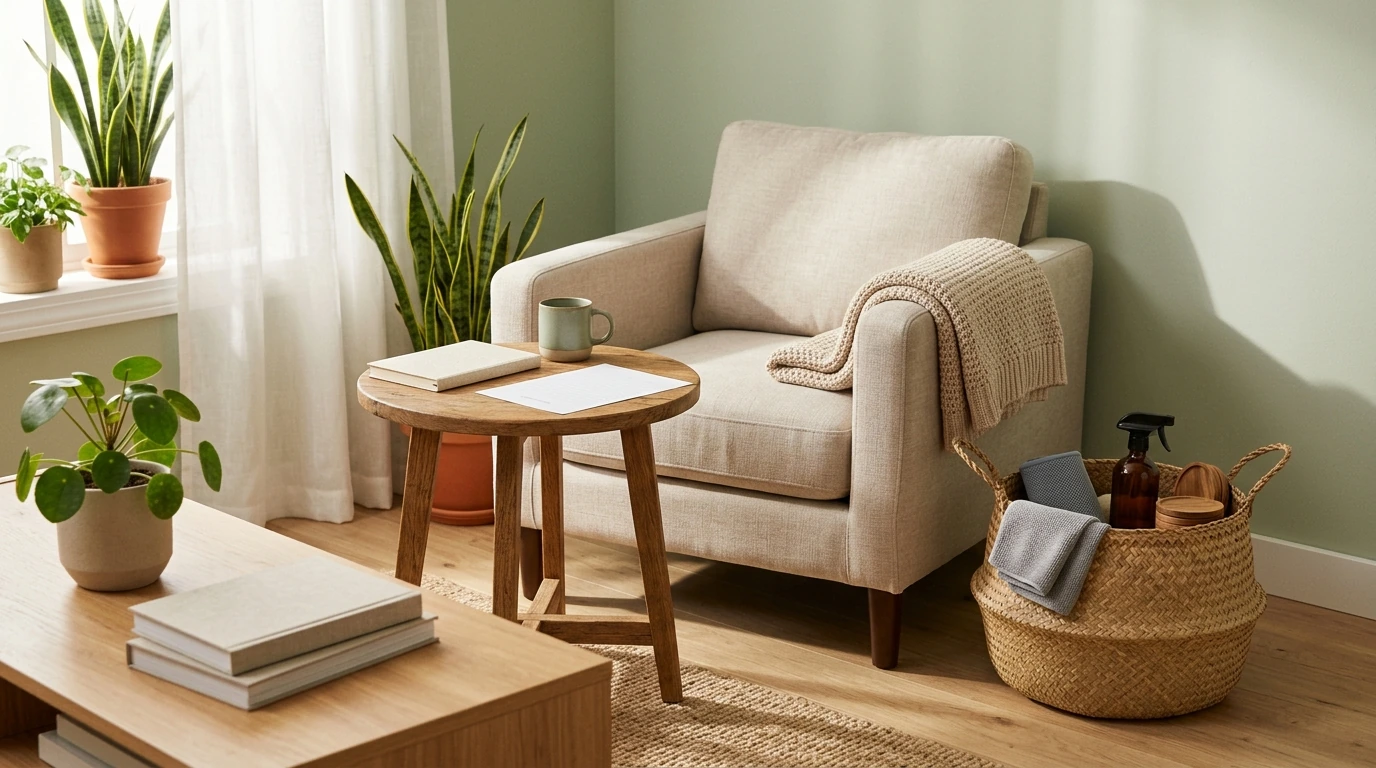
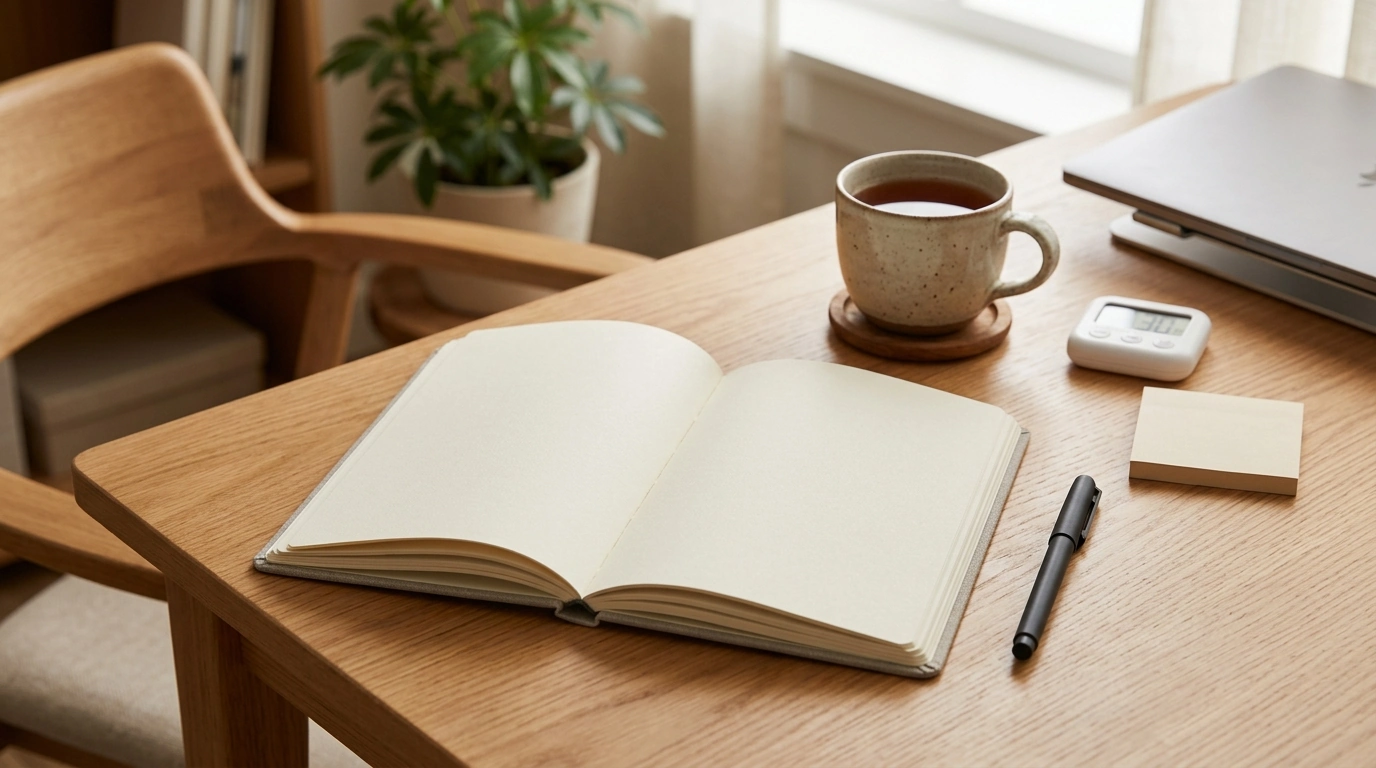
- Phase 2 — Create one anchor space (60–120 minutes): a calm corner for reading, tea, journaling, stretching, or quiet. This becomes your “return to calm” location.
- Phase 3 — Set a maintenance rhythm (10 minutes daily): quick put-away, a simple laundry lane, and a nightly surface sweep.
- Time-saving tip: use a “maybe box” for decisions that stall; schedule a revisit date so it doesn’t become permanent clutter.
Quick wins by space
| Space | 10-minute reset | One calming upgrade | What to remove first |
|---|---|---|---|
| Entryway | Empty floor + hang coats | Small tray or bowl for keys | Shoes without a home |
| Kitchen | Clear one counter | Dedicated drink/tea station | Duplicates and expired items |
| Living area | Basket sweep (remotes, toys, mail) | Soft lighting (lamp over overhead) | Loose papers and packaging |
| Bedroom | Clear nightstand | Charging station + book spot | Clothes that don’t fit the season |
| Bathroom | Wipe sink + toss empties | Simple towel/backup storage | Expired products |
Minimalist decluttering checklist: decision rules that reduce stress
Decluttering gets easier when the rules are simple enough to repeat without negotiating with yourself every time.
Calming routines that make the home feel lighter without more work
These habits can also support sleep by reducing late-night stimulation and making bedtime feel more predictable (NIH News in Health).
Self-care that pairs with a calmer home (without turning into another task)
If you’d like more stress-reduction ideas that don’t require a full lifestyle overhaul, Harvard Health also shares simple, practical approaches worth trying (Harvard Health Publishing).
Printing and digital-use tips for a smoother experience
Best fits, gifting ideas, and gentle next steps
- Great fit for: busy households, students, remote workers, caregivers, and anyone feeling overstimulated at home.
- Gifting idea: pair Peaceful Home, Peaceful You with a tea sampler or a simple basket to build an “anchor space” kit.
- Gentle next step: choose one “always clear” surface and maintain it for 14 days. One win you can see daily builds confidence.
- If emotions rise while decluttering: pause, set a timer for 5 minutes, and return to a smaller category to rebuild momentum.
If household stress is tied to communication or money pressure, pairing your reset with supportive tools can help: try the Conflict-Resolution Workbook for Couples or the Budgeting Like a Pro: Complete eBook for practical structure that reduces daily friction.
FAQ
How fast can a home feel calmer using the guide?
Clearer surfaces and one anchor space can noticeably shift the mood in 30–120 minutes. Deeper calm typically comes from repeating a 10-minute daily reset for 1–2 weeks.
What if decluttering feels overwhelming or emotional?
Use smaller categories, set a timer, and lean on a “maybe box” so you can keep moving without forcing hard decisions in the moment. Start by protecting one calm zone first, then expand from there.
Is this a physical item or a digital download?
It’s a digital download/printable, so there’s no shipping. You can print only the pages you need or fill them in digitally with a PDF editor.









Leave a comment