Calm Your Mind: Guided Audio Meditations for Anxiety
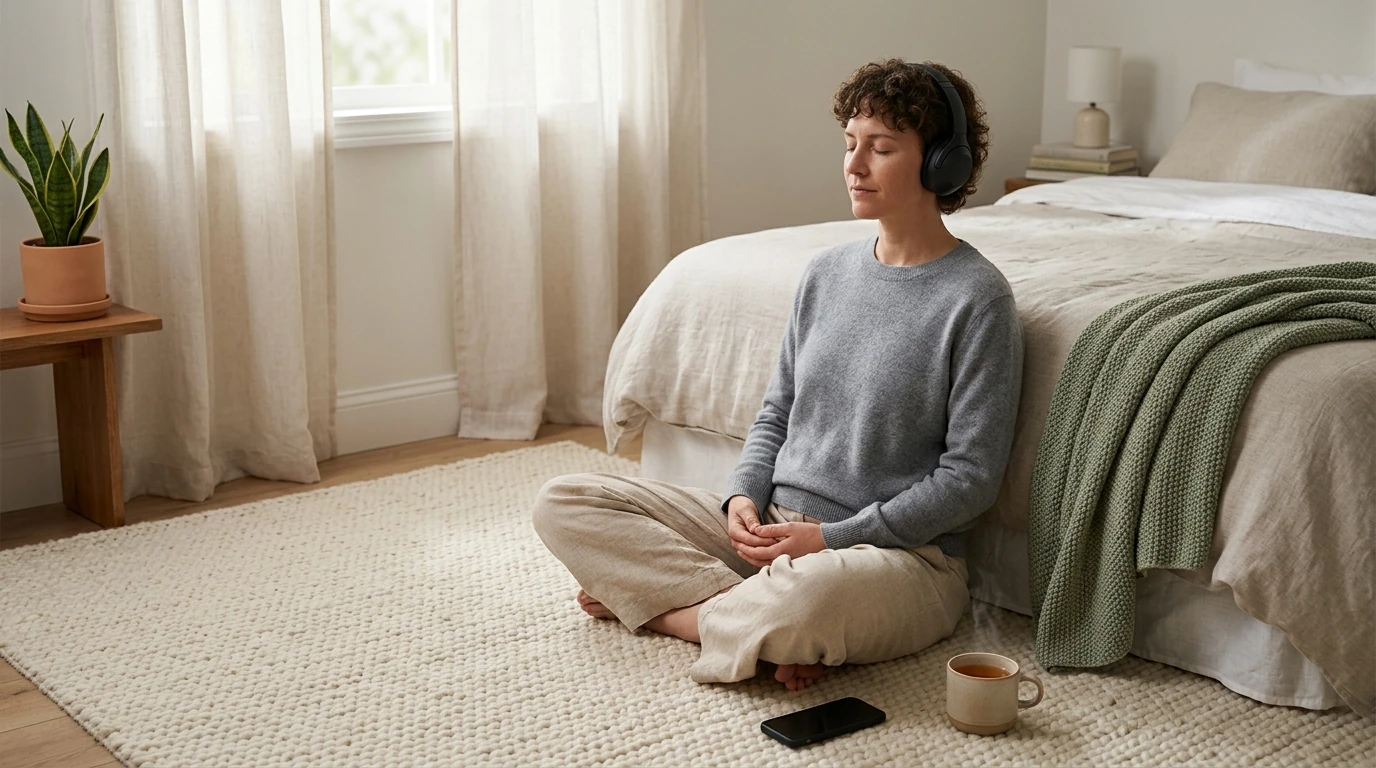
Calm Your Mind: A Guided Meditation Audio Course for Anxiety Relief
Racing thoughts, a tight chest, and a restless body can make even simple days feel heavy. A structured guided meditation series can help create a steadier baseline by training attention, easing physical tension, and building a repeatable wind-down routine. This audio course is designed for practical, consistent use—short sessions that fit into mornings, breaks, and bedtime.
Many people find that guided practice makes it easier to start and stick with meditation, especially during anxious moments when decision-making feels harder. Mindfulness-based approaches are also widely discussed by reputable health organizations as a supportive tool for stress and anxiety management, alongside other forms of care when needed (see American Psychological Association and Mayo Clinic).
What this guided meditation series is designed to do
- Support a calmer nervous system response by pairing breathing cues with gentle attention training.
- Reduce mental “noise” by giving the mind a clear, step-by-step focus during stressful moments.
- Create a dependable routine that can be repeated daily without planning or guesswork.
- Help with common anxiety patterns: spiraling thoughts, anticipatory worry, and difficulty relaxing at night.
Who it’s for (and who may want a different approach)
- Good fit for beginners who prefer guidance rather than silent meditation.
- Helpful for busy schedules: short sessions can be used during commutes, lunch breaks, or pre-sleep.
- Useful for people who feel anxious in silence or struggle to “do meditation right.”
- Consider professional support in addition to meditation when anxiety is severe, persistent, or tied to trauma symptoms.
Guided audio can be a strong complement to therapy, healthy routines, and medical care. For an overview of effectiveness and safety considerations, visit the NCCIH (NIH) meditation and mindfulness resource.
How guided audio helps when anxiety shows up
- Immediate structure: a voice prompt reduces decision fatigue when emotions are high.
- Body-first calming: relaxation cues help loosen jaw, shoulders, and belly tension that fuels anxious feedback loops.
- Attention training: noticing thoughts without chasing them can lessen rumination over time.
- Consistency advantage: repeating familiar sessions can make calm feel more accessible and quicker to reach.
Common anxiety moments and a matching practice
| Situation | What it feels like | Meditation focus to try | When to use it |
|---|---|---|---|
| Morning dread | Fast thoughts, tight chest | Breath + grounding through senses | Right after waking or before checking notifications |
| Workday overwhelm | Irritability, scattered focus | 3-minute reset: posture, breath count, shoulder release | Between meetings or tasks |
| Social anxiety | Self-criticism, looping predictions | Compassion + labeling thoughts | 10–20 minutes before an event |
| Nighttime rumination | Can’t switch off, restless body | Body scan + longer exhales | Bedtime or after waking at night |
What to expect from the Calm Your Mind audio course
- A guided series format that encourages repetition and skill-building rather than one-off sessions.
- Sessions that emphasize breath, body awareness, and gentle redirection when the mind wanders.
- Audio-first convenience: listen with headphones, a speaker, or while lying down.
- A practical option for creating a daily mental reset without needing special equipment.
Instead of aiming for a “perfectly blank mind,” the sessions focus on repeatable skills: returning to breath, softening the body, and noticing thoughts as passing events. Over time, this can make stressful spikes feel less sticky—more like weather moving through than an emergency you have to solve immediately.
A simple 7-day routine to build consistency
- Day 1–2: Start with the shortest session; focus on showing up, not perfect calm.
- Day 3–4: Add a midday reset to interrupt stress accumulation.
- Day 5: Use a session right after a trigger (email, news, conflict) to practice recovery.
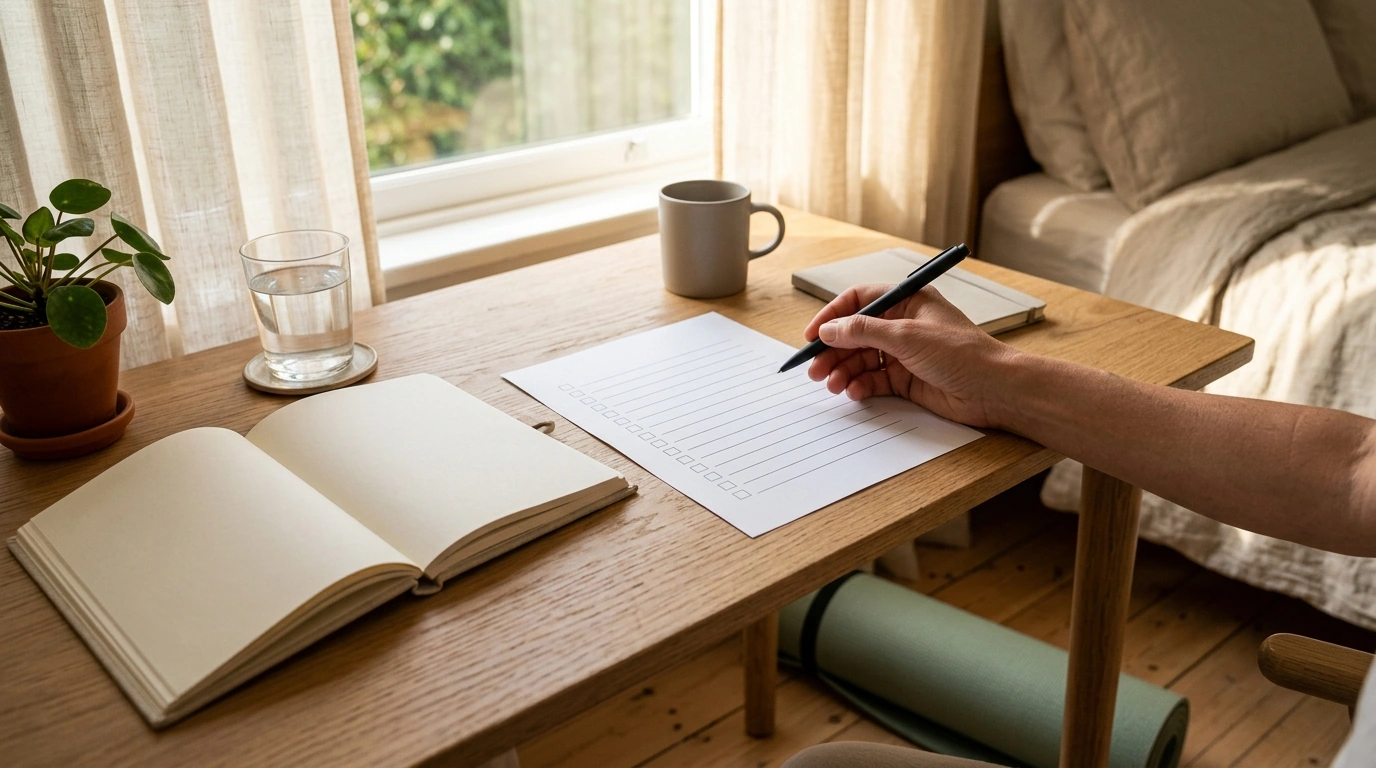
- Day 6: Try pairing the audio with a small habit (tea, stretching, dim lights) to cue relaxation.
- Day 7: Repeat the session that felt most effective and note when anxiety eased fastest.
If a full week feels like too much, shrink the goal: three sessions in seven days is still a pattern. The “win” is building a reliable off-ramp—something you can press play on when your mind tries to sprint.
Tips for getting better results with guided meditation
Product details and where to get it
Title: Calm Your Mind: Guided Meditation Series | Audio Course | Anxiety Relief Meditation
Price: $28.99 USD
Availability: In stock
Designed for: repeated use as a calming routine for anxious moments and daily stress
If anxiety spikes often around relationships or communication stress, pairing meditation with practical tools can help. Consider adding the Conflict-Resolution Workbook for Couples | Printable Relationship Communication eBook | Improve Listening, Resolve Arguments, Rebuild Trust for structured scripts and exercises.
For money-related worry and decision fatigue, a clear system can reduce background stress. The Budgeting Like a Pro: Complete eBook – Personal Finance Planner, Zero-Based Budgeting, 50/30/20, Pay-Yourself-First, Debt Payoff & Savings Plan can support a calmer baseline by making next steps more predictable.
FAQ
How long should a guided meditation be for anxiety relief?
A helpful range is about 3–20 minutes. Starting with shorter sessions makes consistency easier, while longer sessions can be especially supportive for sleep and deeper relaxation.
Can guided meditation help with panic symptoms?
It may help some people reduce intensity by slowing breathing and grounding attention in the body. If panic symptoms are frequent, severe, or feel unsafe, it’s important to seek professional care and use meditation as a supportive add-on.
What if meditation makes my thoughts louder at first?
That’s common—quiet moments can make you notice thoughts you were previously outrunning. Try shorter sessions, return to body sensations (feet, hands, breath), and practice when you’re calmer so the skill is easier to access during anxious peaks.









Leave a comment