Anxiety Relief Bundle: 4-in-1 Calm Toolkit
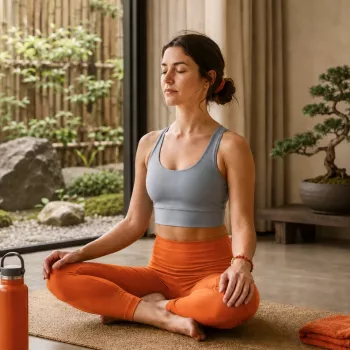
The Anxiety Relief Bundle: A Path to Calm — A Practical 4-in-1 Toolkit for Mindfulness and Positive Thinking
Anxiety can feel like a constant background hum—tight chest, racing thoughts, difficulty focusing, and a sense of being “on edge.” A helpful approach is to combine quick calming skills with simple routines that support steadier thinking over time. The Anxiety Relief Bundle: A Path to Calm brings together four complementary tools—mindfulness exercises, positive thinking prompts, a printable checklist, and a course-style outline—so it’s easier to practice consistently and track progress day by day.
Research-backed approaches like mindfulness can reduce stress reactivity over time, especially when practiced in small, repeatable ways. If you’d like a deeper overview of how mindfulness supports stress reduction, the American Psychological Association summarizes the evidence and practical benefits here: Mindfulness meditation: A research-proven way to reduce stress (APA). For general education on anxiety symptoms and when to seek help, the National Institute of Mental Health is also a trusted resource: Anxiety Disorders (NIMH).
What’s inside the 4-in-1 bundle
This bundle is designed to work like a “calm kit” with structure. Instead of collecting coping tips and hoping they stick, you get a small system: practice tools, thinking prompts, and a way to track what actually helps.
- Mindfulness exercises that focus on grounding, breath, body awareness, and present-moment attention
- Positive thinking materials designed to reframe anxious thought loops into more balanced perspectives
- Printable checklist for daily and weekly tracking to build a repeatable calming routine
- Course outline that organizes the practices into a structured sequence, reducing guesswork about “what to do next”
Bundle components and how they support calm
| Component | Best for | How it helps | When to use it |
|---|---|---|---|
| Mindfulness exercises | Racing thoughts and physical tension | Shifts attention to the present; reduces reactivity | Morning reset, mid-day break, before sleep |
| Positive thinking prompts | Worry spirals and catastrophic thinking | Encourages balanced self-talk and realistic alternatives | After a trigger, during journaling, end of day |
| Printable checklist | Consistency and accountability | Turns coping skills into a routine you can follow | Daily planning; weekly review |
| Course outline | Staying organized over time | Creates a step-by-step path and progression | Start of the week; whenever motivation dips |
Who this toolkit tends to help most
- People who feel overwhelmed by too many coping techniques and want a simpler, organized system
- Busy schedules: short practices that can fit into 5–15 minute windows
- Anyone who benefits from printable prompts and checklists rather than relying on memory in stressful moments
- Those building foundational skills alongside professional care (therapy, coaching, or medical support)
If you’re the kind of person who does fine when things are calm—but “forgets everything” when anxiety spikes—having a repeatable page to follow can be the difference between spiraling and steadying.
A gentle routine to start with (no perfection required)
Starting small is often the fastest way to build consistency. A steady “minimum viable routine” beats an ambitious plan that only happens twice.
- Choose one mindfulness exercise and repeat it daily for a week before adding more variety
- Pair it with one short positive thinking prompt to practice reframing a common worry
- Use the printable checklist as a “minimum viable routine” tracker: aim for consistency, not intensity
- Review the course outline once a week to pick the next small step and keep momentum
Even 5 minutes counts. The goal is to train a reliable “return to center” skill, not to force yourself into a perfect calm.
Mindfulness exercises that are easy to repeat
- Breath-based grounding: slow exhales to signal safety to the nervous system
- Body scan check-ins: noticing tension without fighting it, then softening one area at a time
- 5-4-3-2-1 grounding: engaging senses to interrupt spirals and anchor attention
- Micro-pauses: 30–60 seconds between tasks to reduce cumulative stress buildup
These practices work well because they’re repeatable under pressure. When anxiety rises, complicated strategies often fall away; simple cues (breath, senses, body contact with the chair) are easier to access.
Positive thinking without “toxic positivity”
Reframing isn’t about pretending everything is fine. It’s about replacing harsh, absolute thoughts with balanced statements that support action and reduce panic.
Why a printable checklist can make coping skills stick
How the course outline supports progress over weeks
Safety notes and when to seek extra support
Get the bundle
- The Anxiety Relief Bundle: A Path to Calm (4-in-1 Bundle) — mindfulness exercises, positive thinking prompts, a printable checklist, and a course outline in one organized toolkit
- Conflict-Resolution Workbook for Couples — a supportive option if relationship stress is a frequent anxiety trigger and you want structured communication tools
- Confident Kids Bundle: Nurturing Emotional Strength — helpful for parents who want calmer, confidence-building routines at home while they work on their own regulation skills, too
FAQ
How quickly can results show up with mindfulness and reframing?
Some people notice a calmer body response after a single session, but lasting change typically comes from consistent daily practice over several weeks. Look for small, measurable shifts like fewer spirals, quicker recovery after triggers, or improved sleep.
Can this be used alongside therapy or medication?
Yes. The bundle can complement professional care by providing repeatable skills and a routine; follow clinician guidance and consider bringing your checklists or reflections to sessions for extra clarity.
What if mindfulness makes anxiety feel worse at first?
Try shorter practices, keep your eyes open, and use external grounding (like the 5-4-3-2-1 senses method) instead of long, inward-focused sessions. If distress escalates or symptoms intensify, pause and seek professional guidance.










Leave a comment