Self-Love & Worthiness: Guided Audio Meditations
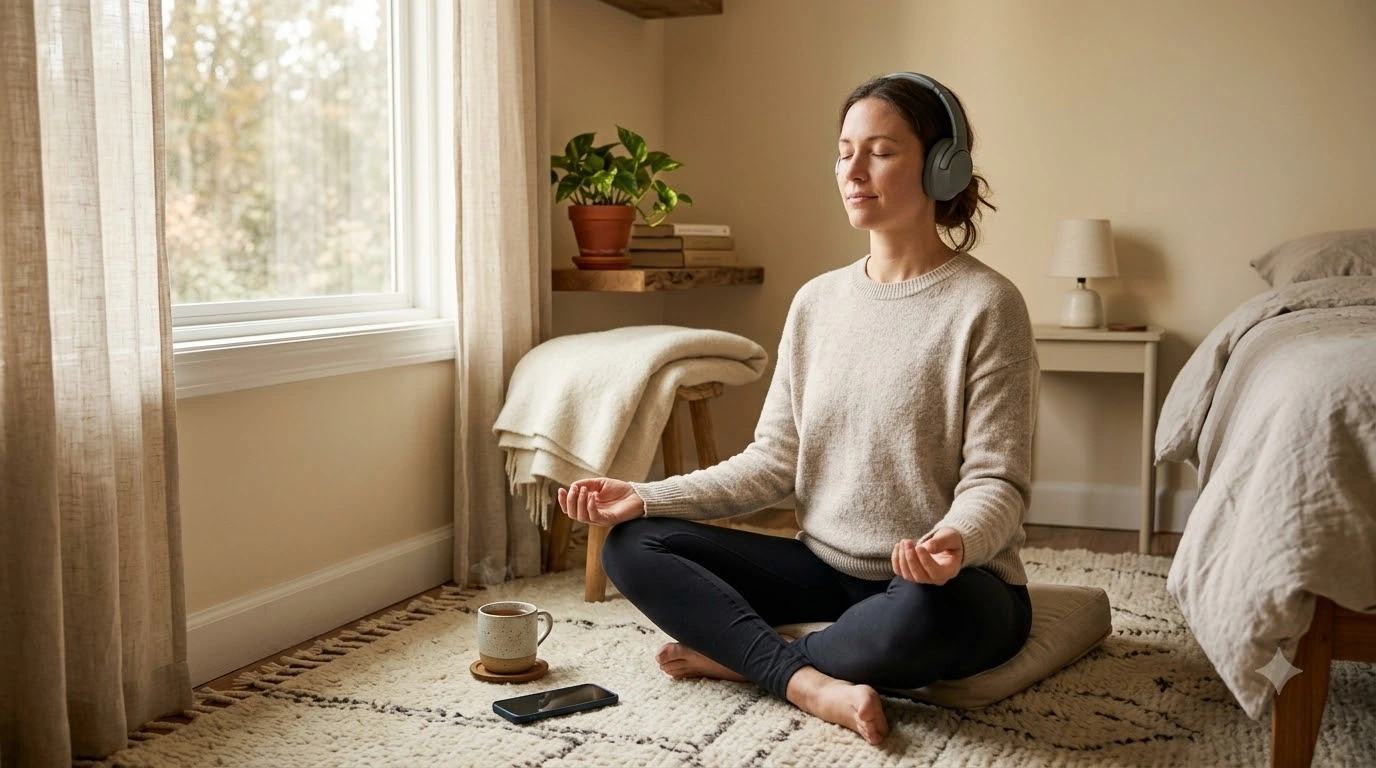
Meditations for Self-Love & Worthiness: A Gentle Audio Practice for Confidence, Calm, and Inner Healing
Self-love and worthiness are skills that can be practiced—especially when the mind is busy, the nervous system feels on edge, or old self-criticism keeps returning. A guided audio course can make it easier to stay consistent by combining mindfulness, calming breathwork cues, and affirmations that support a kinder inner voice. The goal isn’t to “force positivity,” but to create steady moments of safety, self-respect, and emotional steadiness that gradually change how the day feels from the inside out.
What “self-love” and “worthiness” practices actually build
When self-worth feels shaky, it’s rarely solved by a single insight. It’s strengthened through repeated, doable experiences—small moments where the mind and body learn, “I’m allowed to be here, and I can handle what I feel.” A consistent practice can help build:
- A more supportive inner dialogue: noticing harsh self-talk, softening it, and replacing it with language that is realistic and compassionate.
- Emotional regulation: learning to feel emotions without spiraling, shutting down, or over-identifying with them.
- Self-trust: making small promises (like a 5–10 minute practice) and keeping them, which strengthens confidence over time.
- A sense of safety in the body: using guided attention, breath, and grounding to reduce threat responses and increase calm.
- Healthier boundaries: worthiness practices often make it easier to say no, ask for what is needed, and step away from draining dynamics.
For a research-grounded overview of how mindfulness may support stress and wellbeing, see the NCCIH guidance on meditation and mindfulness and the American Psychological Association’s mindfulness meditation overview.
Who this kind of audio course tends to help most
Guided sessions are especially helpful when the mind is loud or the day feels demanding. This format tends to support:
- People stuck in cycles of overthinking, self-doubt, or perfectionism who want a structured, repeatable practice.
- Anyone who finds silent meditation difficult and benefits from a guiding voice, prompts, and gentle pacing.
- Those rebuilding confidence after burnout, a breakup, a setback at work, or a long period of people-pleasing.
- Beginners who want short, clear mindfulness steps without needing to design their own routine.
- Practitioners who already meditate but want targeted sessions focused on self-worth, inner healing, and calm.
A simple rhythm: how to use guided meditations, affirmations, and mindfulness together
A steady rhythm keeps the practice from turning into another “project.” Many people do best with a predictable flow that meets the nervous system first, then the mind:
- Start with settling: 1–2 minutes of breath or body awareness to reduce mental noise and create receptivity.
- Move into guided imagery or mindfulness prompts: notice sensations, emotions, and thoughts without judgment; practice returning to the present.
- Add affirmations as reinforcement: use phrases that feel believable, focusing on safety, permission, and self-respect (not forced “high vibes”).
- Close with integration: choose one small action aligned with worthiness (a boundary, a break, a kind self-statement).
- Repeat the same track for several days: repetition is often more effective than constantly switching to new sessions.
Common roadblocks (and how to make the practice gentler)
Self-love work can stir up resistance—often because the mind is trying to protect you from disappointment or emotional risk. If a practice feels “too much,” adjusting it is part of the skill.
Daily practice ideas you can rotate through
Meditations for Self-Love & Worthiness: what this audio course offers
If a structured, soothing approach sounds supportive, Meditations for Self-Love & Worthiness | Audio Course | Guided Meditations, Affirmations & Mindfulness for Confidence, Calm, and Inner Healing is designed as a repeatable listening practice—useful on days when motivation is low and the inner critic is loud.
Quick guide to choosing a session based on how the day feels
| If the day feels like… | Try a focus like… | A helpful affirmation style |
|---|---|---|
| Anxious, rushed, keyed up | Grounding + slow breath + present-moment attention | “In this moment, it’s safe to slow down.” |
| Self-critical, not good enough | Self-compassion + worthiness reminders + gentle reframing | “I can treat myself with respect today.” |
| Emotionally heavy or tender | Inner healing + soothing body awareness + permission to feel | “My feelings can move through me without defining me.” |
| Disconnected or numb | Body scan + sensory noticing + small moments of gratitude | “I’m learning to come back to myself.” |
| Needing courage or confidence | Values-based focus + calm visualization + self-trust | “I can take one brave step at a time.” |
Making it stick: a 7-day worthiness routine that stays realistic
If relationships are a key area where worthiness and boundaries get tested, pairing personal practice with skill-building can help. For structured communication support, consider Conflict-Resolution Workbook for Couples | Printable Relationship Communication eBook | Improve Listening, Resolve Arguments, Rebuild Trust. For families building emotional confidence early on, Confident Kids Bundle: Nurturing Emotional Strength | 3-in-1 Bundle | Parenting Guide, Self-Esteem Activities Ages 3–5, Emotional Intelligence Checklist offers practical activities that reinforce emotional safety and self-esteem.
When to get extra support
FAQ
How often should guided self-love meditations be done to notice a change?
Consistency usually matters more than duration. Many people notice subtle shifts with 5–10 minutes daily for 2–4 weeks, especially when repeating the same session for a few days (less reactivity and kinder self-talk often show up first).
Do affirmations work if they don’t feel true yet?
They can, especially when the language is believable: “I’m learning,” “I’m open to,” or “It’s possible.” Pairing affirmations with mindfulness and calming breath cues often reduces internal pushback.
Can these meditations be used for stress and sleep as well as confidence?
Yes—slower breath cues, body scans, and softer affirmations are commonly used for stress relief and better sleep. Using the same evening track nightly (with lower volume) can also make it easier for the body to recognize it as a wind-down signal.












Leave a comment