Break the Tension: Fast Stress Relief You Can Do Anywhere
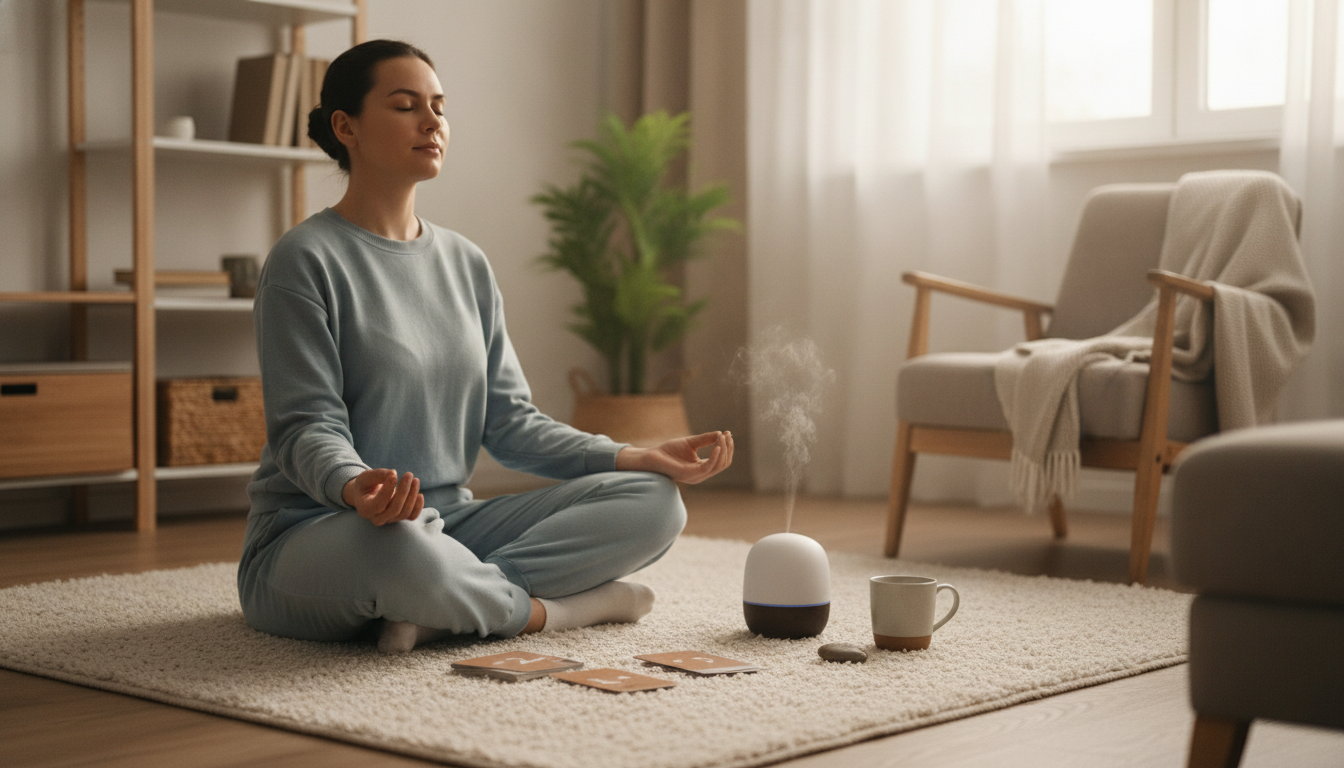
Break the Tension: Simple Ways to Calm the Body and Clear the Mind
Stress often shows up as a tight chest, racing thoughts, shallow breathing, and a constant feeling of being behind. Relief doesn’t have to be complicated: a few repeatable techniques can calm the nervous system quickly and reduce stress over time. Use the sections below as a practical menu—pick what fits the moment, then build a short daily routine that keeps tension from stacking up.
What “tension” looks like (and why it builds so fast)
Tension is often easier to spot in the body than in the mind. Common signals include jaw clenching, tight shoulders, headaches, stomach fluttering, irritability, difficulty focusing, and trouble falling asleep. These cues aren’t “failures”—they’re feedback.
When the stress response kicks in, the body shifts toward fight-or-flight: breathing tends to get shallower, muscles brace, and attention narrows toward perceived threats. That’s useful in short bursts, but exhausting when it stays on for hours.
A helpful reframe: the goal isn’t to eliminate stress. It’s to interrupt escalation and recover faster after spikes. Over time, faster recovery becomes your new baseline.
A quick “reset toolkit” for different situations
Different stress moments call for different tools. Breathing helps when the body is revved up. Grounding helps when the mind is spiraling. Short meditation helps when attention is scattered. Time blocks help when stress comes from overload and ambiguity.
Start small: one technique done consistently beats a long routine done rarely. Aim for a 60–180 second reset during the day, plus a 10-minute plan that reduces repeat triggers.
Fast stress relief options at a glance
| Technique | Best for | Time needed | Where it works | How to do it |
|---|---|---|---|---|
| Physiological sigh | Racing heart, tight chest | 30–60 sec | Anywhere | Inhale through the nose, top off with a short second inhale, then long slow exhale; repeat 2–5 times |
| Box breathing | Overwhelm, pre-meeting nerves | 2–4 min | Desk, car (parked), hallway | Inhale 4, hold 4, exhale 4, hold 4; repeat |
| 5-4-3-2-1 grounding | Spiraling thoughts, anxiety | 2–3 min | Any safe place | Name 5 things you see, 4 feel, 3 hear, 2 smell, 1 taste |
| 1-minute body scan | Muscle tension | 1–2 min | Seated or standing | Move attention from forehead to feet; soften muscles on each exhale |
| Two-list brain dump | Mental clutter | 5–10 min | Notebook/notes app | List A: everything on your mind; List B: next actions (only what’s doable) |
Breathing exercises that downshift stress quickly
Breath is a direct line to your stress response. Slower, longer exhales signal safety to the nervous system and can reduce the intensity of stress reactions. Harvard Health notes that breath control can help quiet an overactive stress response when practiced consistently (Harvard Health Publishing).
Try the physiological sigh (fast reset)
Extended exhale breathing (steady calming)
Box breathing (before performance moments)
Quick meditations that fit into real life
Mindfulness doesn’t have to mean a long sit. Even a few minutes can help you notice stress earlier and respond with less reactivity. The National Center for Complementary and Integrative Health summarizes research showing meditation can support stress reduction and overall well-being for many people (NCCIH).
A 3-minute anchor practice
Label-and-release (for sticky thoughts)
Micro-meditation between tasks
Grounding techniques for anxious thoughts and emotional spikes
Grounding is ideal when the mind is racing. It pulls attention from imagined futures back to present sensory reality—without needing to “solve” the feeling first. The American Psychological Association outlines how stress can affect the body and emotional state, which is why fast, physical resets can be so effective (APA).
5-4-3-2-1 (simple, literal, effective)
Temperature grounding
Pressure and movement grounding
Time management tips that reduce stress at the source
Use the “Top 3” rule
Time-block the hard thing (25 minutes)
Create an “if-then” plan for interruptions
End-of-day reset (5 minutes)
A simple daily routine to prevent tension from piling up
When extra support is the best next step
A guided option to practice and stay consistent
If you prefer structure, guided resources can make the basics easier to stick with—especially on busy days. For a step-by-step approach that blends breathing, short meditations, grounding, and planning prompts, see Break the Tension: Stress Relief Techniques – Breathing Exercises, Quick Meditations, Grounding Techniques, and Time Management Tips to Reduce Stress.
When stress shows up in relationships, a clear framework for communication can reduce tension at home: Conflict-Resolution Workbook for Couples | Printable Relationship Communication eBook | Improve Listening, Resolve Arguments, Rebuild Trust.
If money pressure is a major trigger, a practical plan can lower background stress by turning uncertainty into decisions: Budgeting Like a Pro: Complete eBook – Personal Finance Planner, Zero-Based Budgeting, 50/30/20, Pay-Yourself-First, Debt Payoff & Savings Plan.
FAQ
What is the fastest way to calm down when stress hits suddenly?
Do 2–5 rounds of the physiological sigh (or inhale 4, exhale 6–8 for 60 seconds), then ground yourself by naming 5 things you can see. That combination calms the body first and stabilizes attention second.
How long should breathing or meditation take to be effective?
Many people feel a shift in 1–3 minutes, especially with extended exhales or a short anchor meditation. Daily short sessions tend to improve baseline stress over time because your recovery becomes faster and more automatic.
What if time management tips make stress worse because the list is too big?
Shrink the scope: pick a Top 3 for today and move everything else into a scheduled backlog. Add one 25-minute focus block and let “good enough” planning be the goal—realistic boundaries reduce stress more than perfect lists.










Leave a comment